Created on 01 February 2026
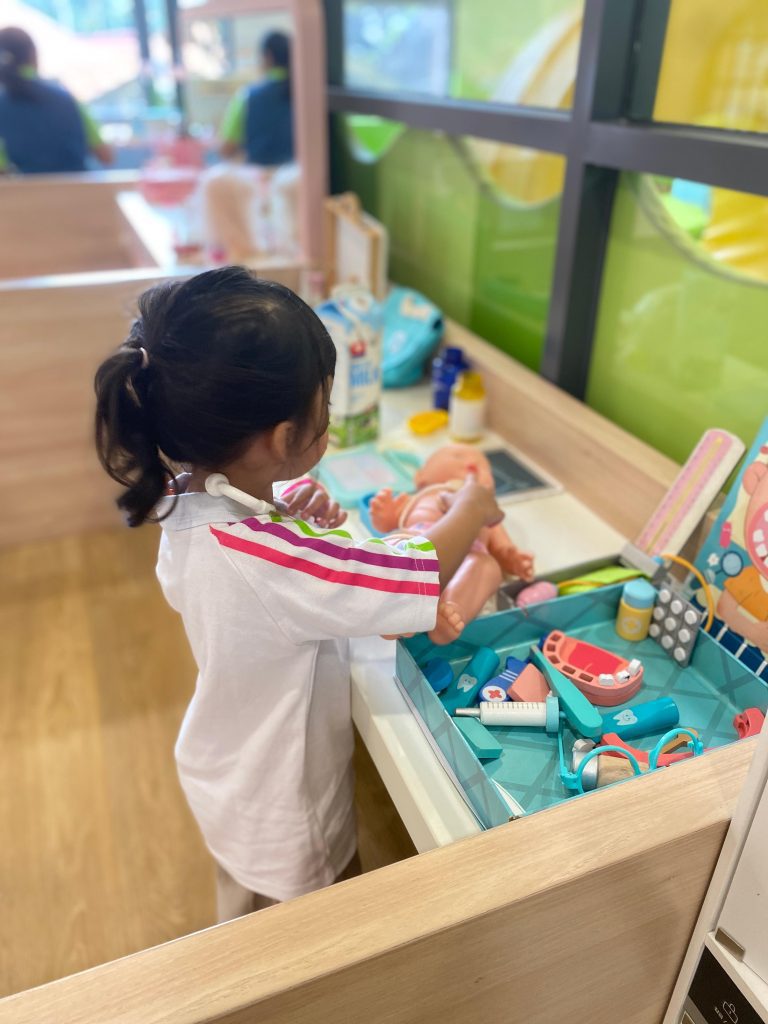
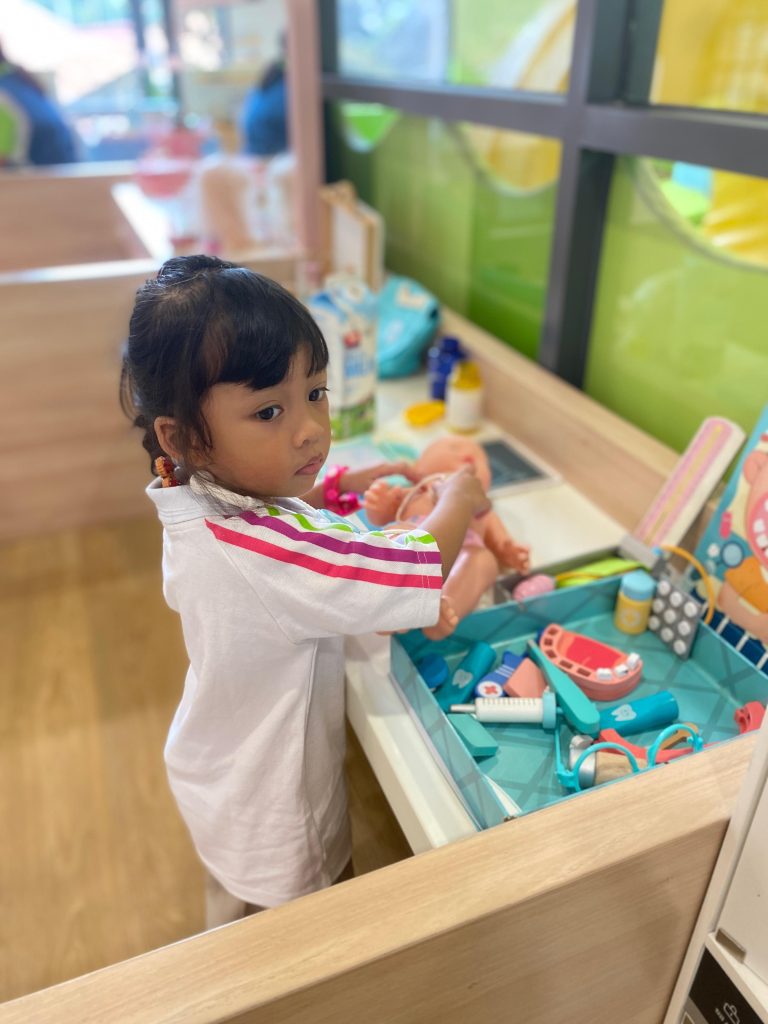
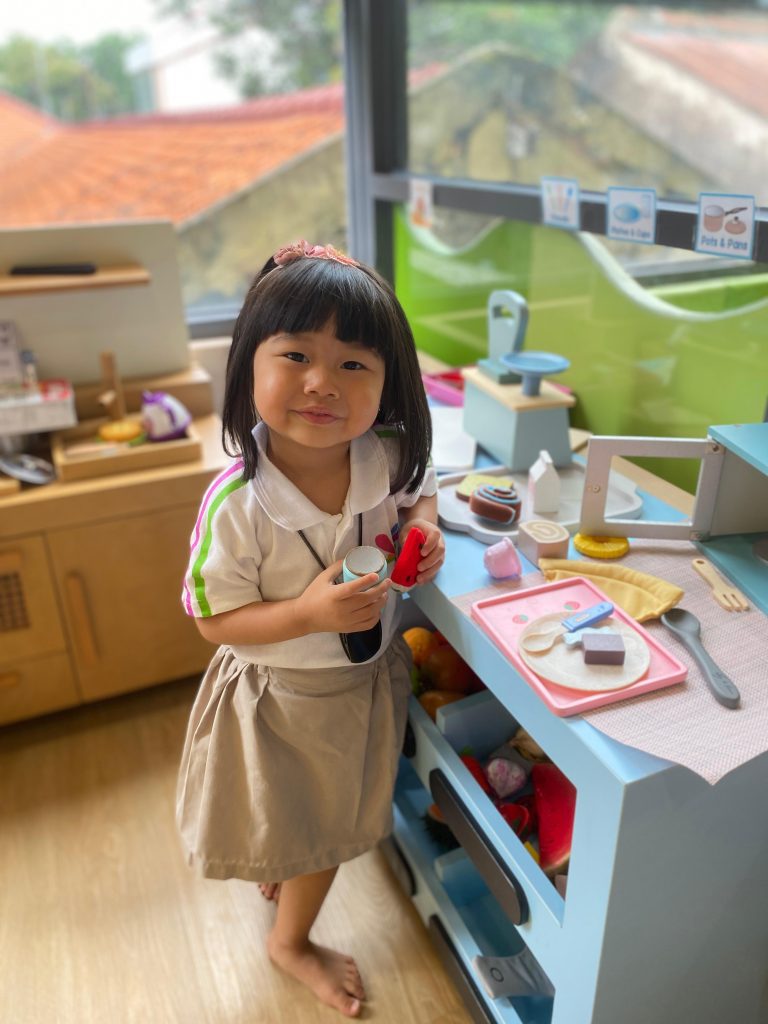
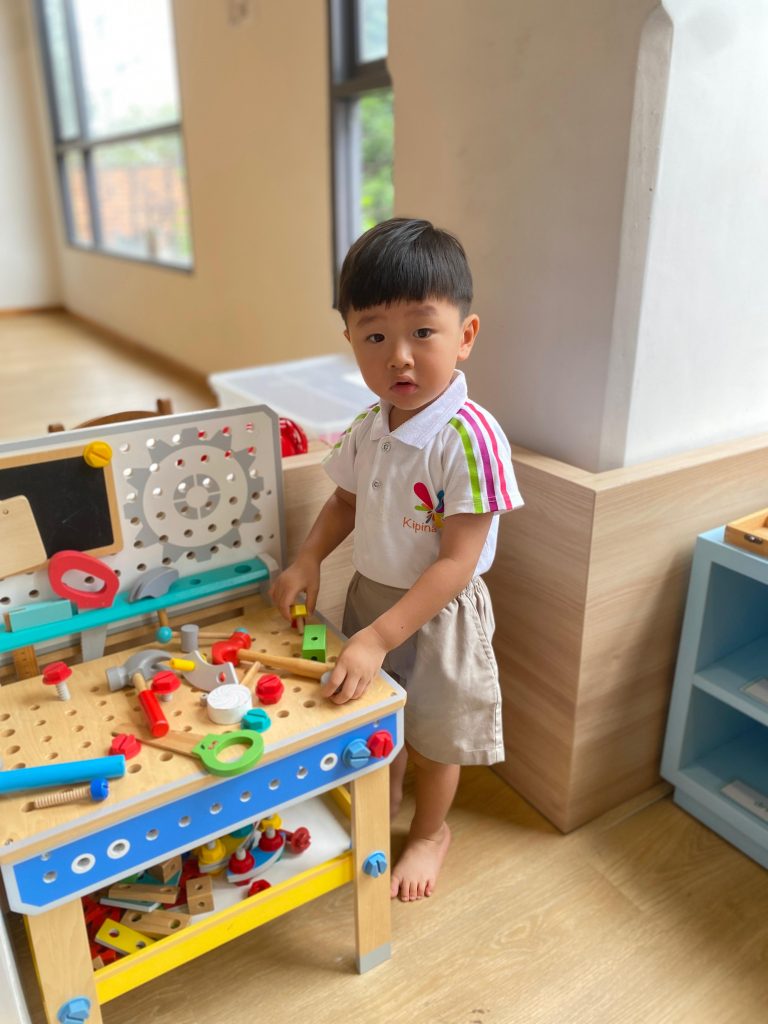
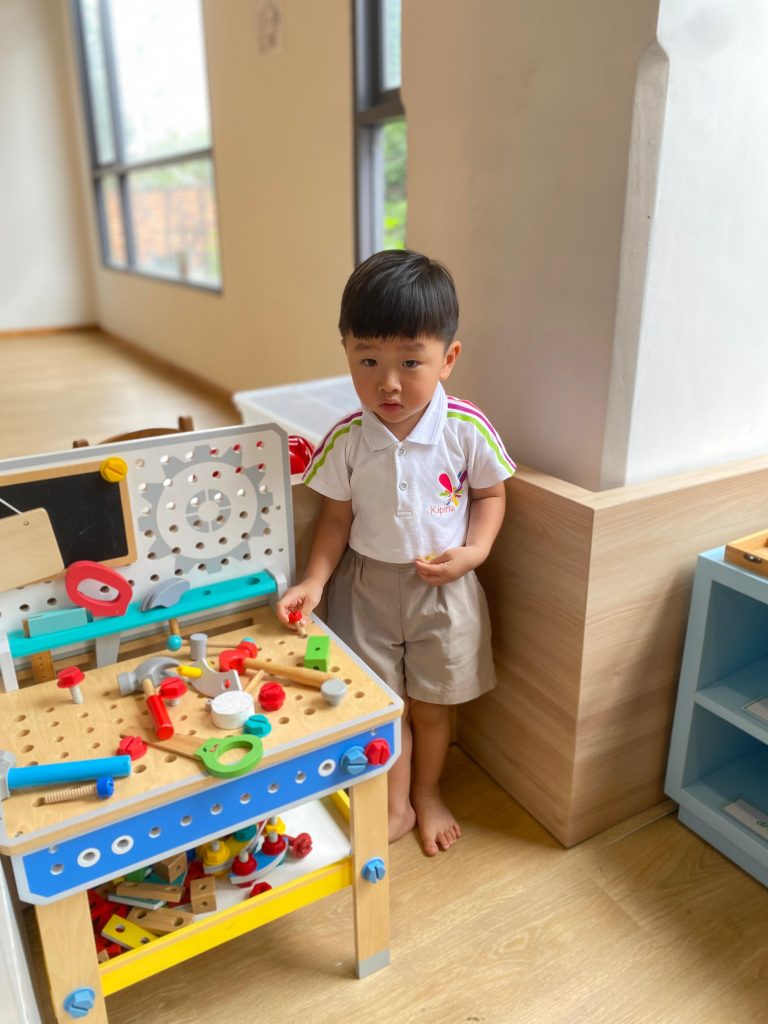
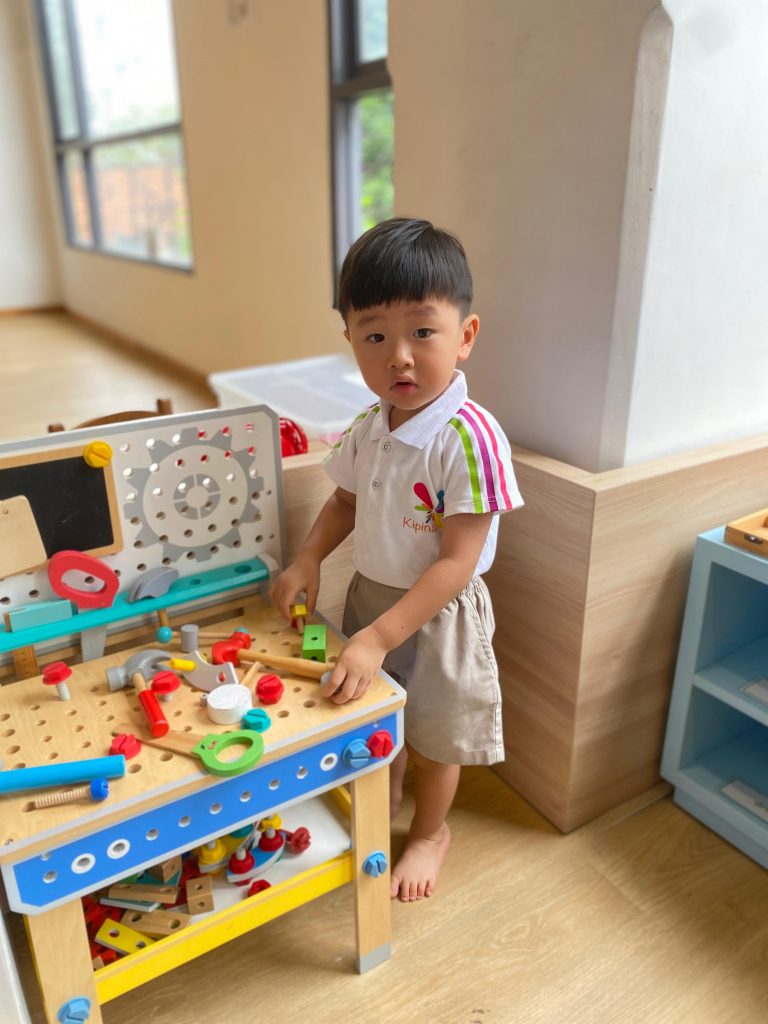
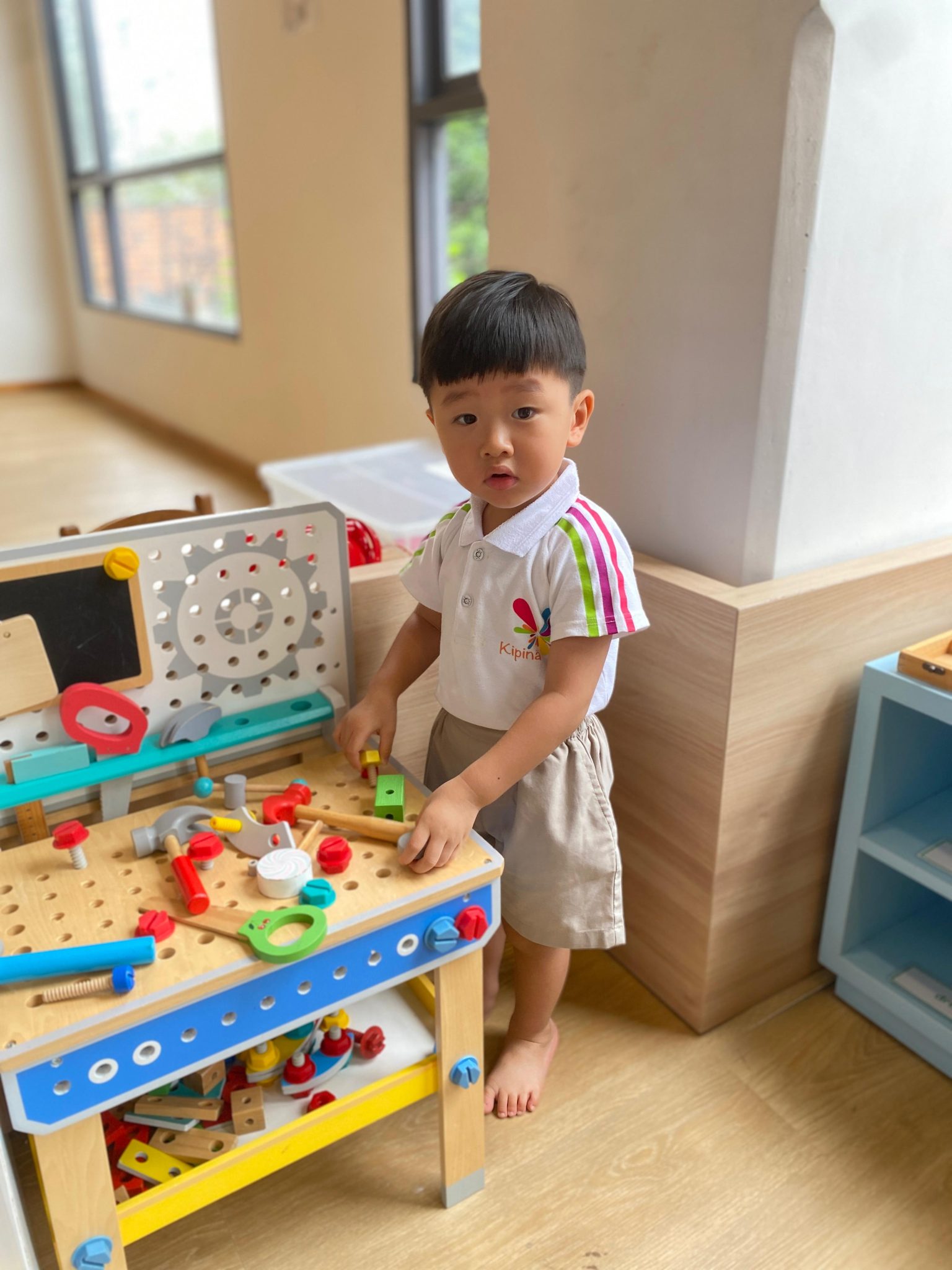
Role play and imaginative play in the Imaginarium offer children a powerful way to explore the world around them while developing essential life skills. At Kipinä Kids Surabaya, the Imaginarium is designed as a safe and stimulating environment where children are encouraged to step into different roles, create stories, and express themselves freely. Through pretend play, children learn to make sense of real-life situations, practice social interactions, and develop confidence as they communicate their ideas and emotions. This form of play allows learning to happen naturally, driven by curiosity and creativity rather than instruction alone.
Engaging in role play significantly improves children’s language and communication skills, as they use new vocabulary, form sentences, and engage in conversations with peers. It also strengthens social-emotional development, helping children understand empathy, cooperation, and problem-solving as they navigate different roles and scenarios. Whether pretending to be a doctor, a shopkeeper, or a storyteller, children learn to negotiate, take turns, and manage emotions. Imaginative play also enhances cognitive development, as children plan stories, remember sequences, and make decisions, laying the foundation for critical thinking and early literacy skills.
Beyond academic readiness, role play in the Imaginarium nurtures creativity, independence, and self-confidence. When children are given the freedom to imagine and lead their own play, they develop a strong sense of identity and self-expression. At Kipinä Kids Surabaya, educators observe and support this process by guiding play without limiting creativity, allowing each child’s ideas to flourish. Through imaginative role play, children are not only playing—they are building skills that support lifelong learning, adaptability, and emotional resilience.